
Project: Strengthening the co-management of Nosy Hara Marine National Park to ensure sustainable management of marine resources and increase the resilience of local communities to climate change
Programme: BIOPAMA
Project number: MG-SA-1993
Period: January 2023 – November 2024
Partners: Madagascar National Parks and the Regional Directorate for Fisheries and the Blue Economy, DIANA

Strengthening the co-management of Nosy Hara Marine National Park
What We Did
Nosy Hara Marine National Park in northern Madagascar supports important coral reefs, mangroves and seagrass beds, while providing essential resources and livelihoods for communities in 21 surrounding villages.
Through the BIOPAMA programme, C3 Madagascar worked with Madagascar National Parks, the regional fisheries authority and local community organisations to strengthen co-management of the park, improve fisheries governance, restore degraded mangroves and increase community participation in conservation.
The project strengthened the local institutions responsible for managing marine resources around Nosy Hara.
C3 supported the expansion and training of the park’s community management committees, known locally as CLPs, providing practical training in marine and coastal ecology, organisational management, monitoring, equipment use and protected-area management.
Surveillance capacity was strengthened through the provision of boats, engines, safety and monitoring equipment, together with training in their operation and maintenance. Community representatives also participated in an exchange visit to the well-established Velondriake locally managed marine area in southwest Madagascar to learn from community-led approaches to fisheries governance and enforcement.
Working with the regional fisheries authority, the project supported fisher registration and the creation of fisher associations across communities surrounding the park.
The project also restored degraded mangrove areas and worked with communities to improve management of the economically important octopus fishery.
Key Results
- 766 community park-management committee members across 21 villages, with average membership doubling during the project and women representing around 38% of members.
- 374 people trained in areas including marine ecology, protected-area management, organisational development, monitoring and equipment use.
- Around 1,200 fishers received official fisher cards, strengthening formal recognition and fisheries governance.
- 21 fisher associations established across communities surrounding Nosy Hara.
- Approximately 10 hectares of degraded mangroves restored across five villages.
- Mangrove restoration recorded an average 72.5% seedling survival rate after three months.
- Women made up around two-thirds of participants in mangrove restoration training, alongside strong participation by young people.
- An octopus fisheries value-chain analysis was completed to identify opportunities to improve sustainability, product quality and benefits to fishing communities.
- A fisheries improvement action plan was developed with communities, Madagascar National Parks and the regional fisheries authority.
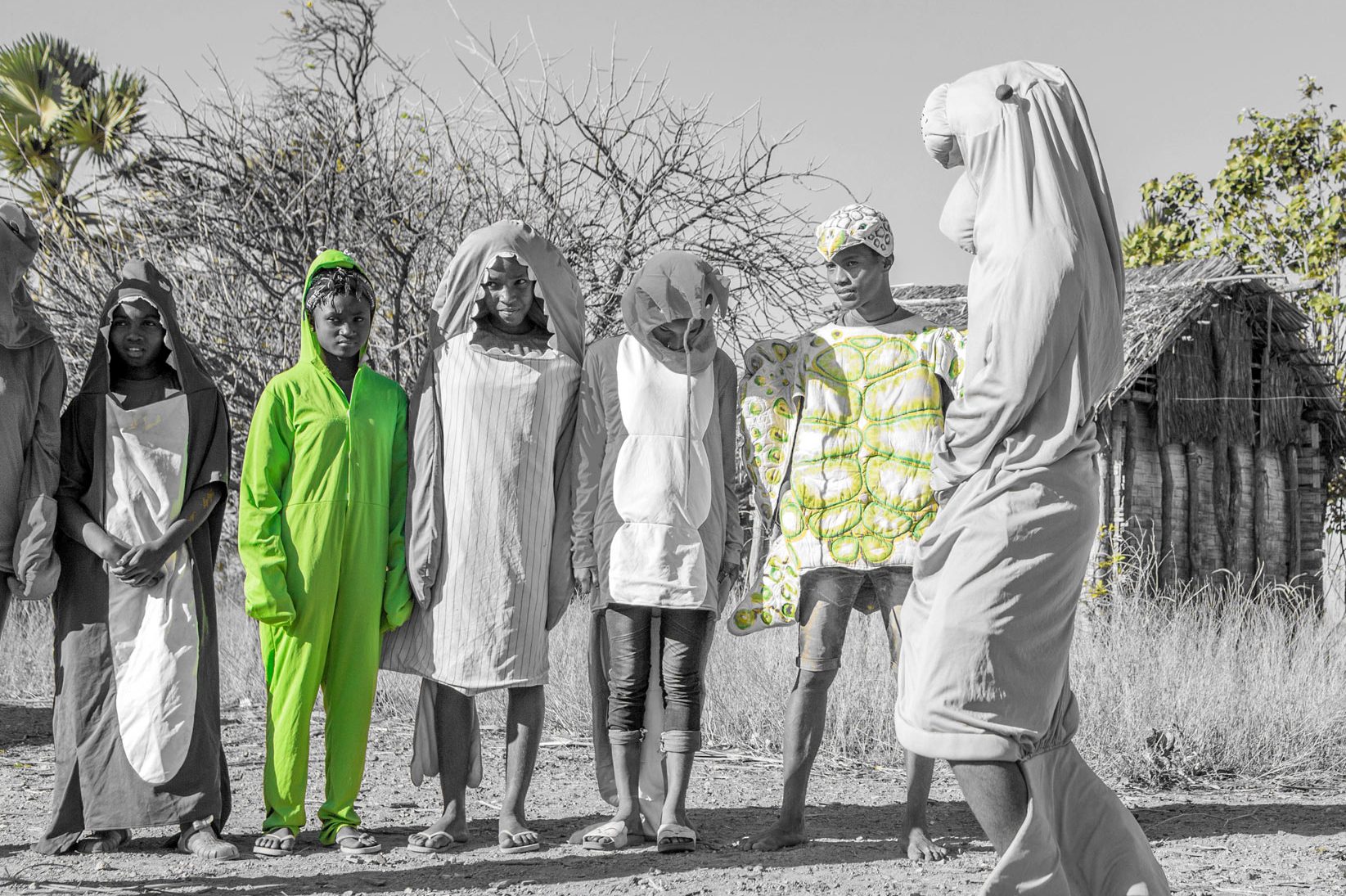
- 241 Junior Ecoguards participated in environmental education and outreach activities.
Strengthening Fisheries Governance
Professionalising small-scale fisheries was a major part of the project.
C3 Madagascar and the regional fisheries authority developed a joint process for registering fishers and establishing recognised fisher associations. Village-level campaigns helped fishers understand regulations, registration requirements and their role in sustainable management of marine resources.
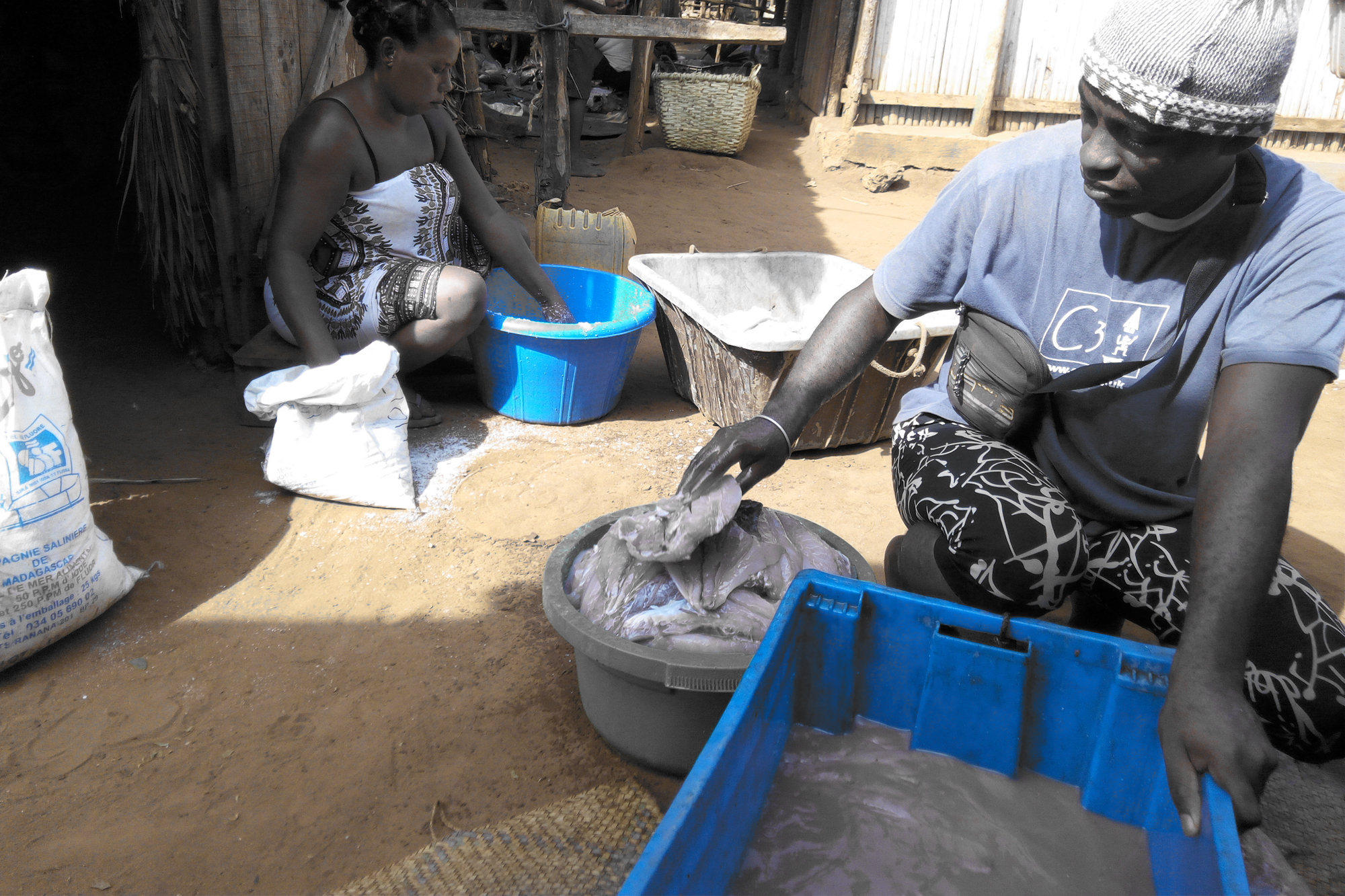
The project also supported improved organisation of the octopus fishery. A detailed value-chain assessment examined fishing practices, markets, prices and relationships between fishers, collectors and exporters.
The resulting action plan supported stronger coordination before seasonal octopus openings, community awareness of fisheries regulations and measures to improve post-harvest handling. Two pilot communities also received iceboxes to reduce spoilage and improve product quality.
Restoring Mangroves
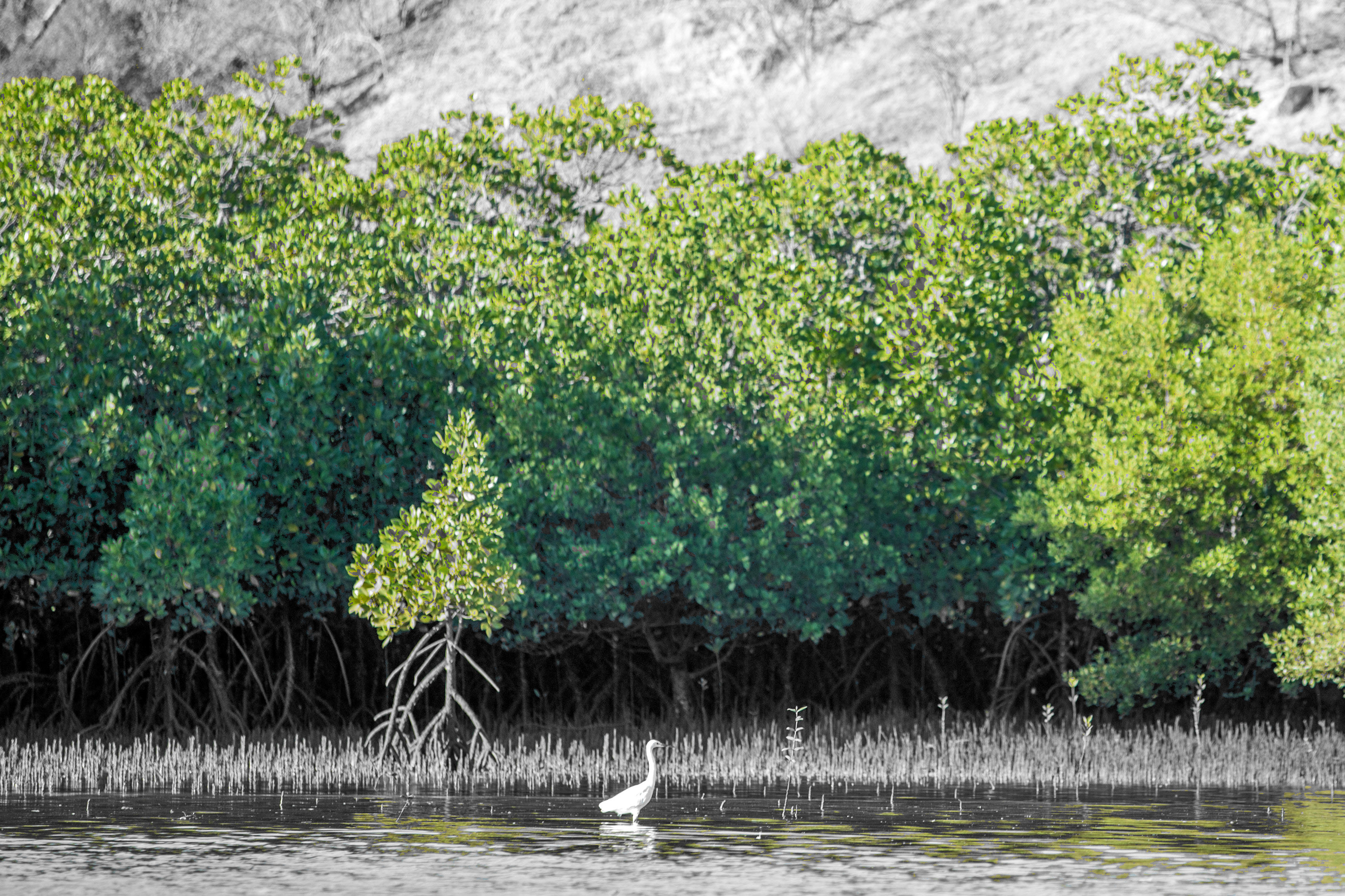
Five priority areas for mangrove restoration were identified together with communities, Madagascar National Parks and technical partners.
Community members were trained in mangrove ecology, nursery development and restoration techniques, with particularly strong participation from women and young people.
Approximately 10 hectares of degraded mangrove habitat were restored using locally appropriate species. Early monitoring three months after planting recorded an average survival rate of 72.5%.
Lasting Impact
BIOPAMA strengthened the organisations and partnerships needed for long-term management of Nosy Hara Marine National Park.
Community institutions have greater membership, stronger representation of women and improved skills in marine management. Fisher registration and associations provide a stronger basis for fisheries governance, while surveillance equipment and training have increased the capacity of communities and park managers to monitor marine resources.
The project also demonstrated how conservation, fisheries governance and habitat restoration can be addressed together. Its work on mangrove restoration and octopus fisheries provides practical models that can continue to be developed across Nosy Hara and elsewhere in northern Madagascar.
Related Case Studies
Contact
C3 MadagascarLot II PA 12 Bis, Soavinimerina, Ambohimanga Rova, Antananarivo, Avaradrano
C3 Madagascar (CONSERVATION CENTREE SUR LA COMMUNAUTE C3 MADAGASCAR), in accordance with Article No. 5 of Ordinance No. 60133, is registered as a non-profit organization in Madagascar under the Direction of the Territorial Administration of Antananarivo with Registration No. 1206/14-MID/SG/DGAT/DIRAT/ANT/ASS.